Let's be upfront: downloading files via torrenting offers access to a vast library of content, but it carries significant legal and security risks. This guide provides actionable steps to minimize those risks while acknowledging the illegality of downloading copyrighted material. We will not endorse any specific torrent sites, nor condone illegal activity.
Understanding the Risks of Torrenting
Before you begin, it's crucial to understand the potential consequences. Downloading copyrighted material (movies, music, software, etc.) infringes on copyright laws, leading to potential legal action and substantial fines. Furthermore, many torrent files contain malware, exposing your system to viruses, data theft, and other security breaches. Your internet service provider (ISP) can also monitor your activity, potentially leading to throttled speeds or service termination. Finally, your IP address is visible during torrenting, compromising your privacy unless you take protective measures.
Finding Reliable Torrent Sites: A Cautious Approach
Finding a "safe" torrent site is inherently contradictory, as inherent risks exist with any site facilitating peer-to-peer file sharing. However, you can mitigate risks by choosing sites with:
- Established reputation: Look for sites with a history of positive user reviews and a long operational lifespan.
- Active community: A sizable, active user community often indicates a more reliable and less likely maliciously modified site.
- Transparency: Sites openly disclosing their practices and terms of service may present less risk than opaque platforms.
Important: No torrent site is entirely risk-free. Always practice caution.
Essential Safety Measures: Your Digital Shield
These steps represent the most effective defense against the risks of torrenting:
Use a VPN (Virtual Private Network): A VPN encrypts your internet traffic and masks your IP address, protecting your identity and making it significantly harder for anyone to track your online activity. A paid VPN is strongly recommended due to superior security and privacy features. Avoid free VPNs as their security and privacy practices are often dubious.
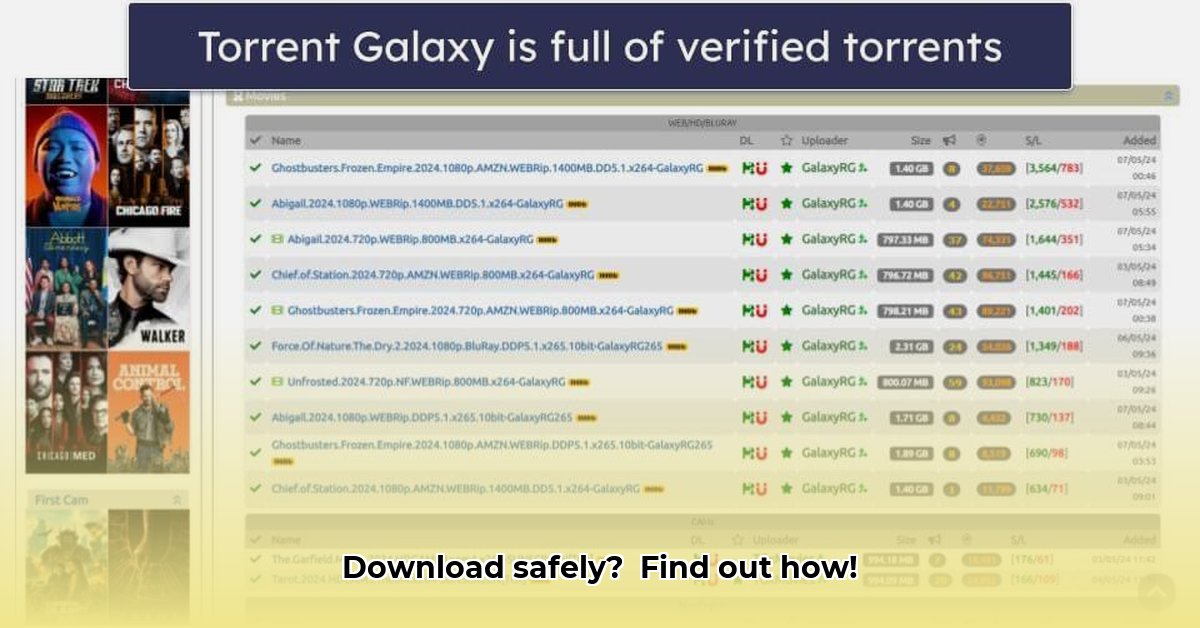
Check the Seeder/Leecher Ratio: Before downloading, examine the seeder-to-leecher ratio. More seeders (users uploading the file) indicate a healthier, more reliable torrent and lower likelihood of corrupted or malicious files.
Scan Downloaded Files: Always scan downloaded files with a reputable and up-to-date antivirus program before opening them. This is your final line of defense against malware.
Exercise Caution: Avoid torrents with suspicious names or dubious sources. Trust your instincts; if something seems wrong, it probably is.
Use a Reputable Torrent Client: Choose established clients like qBittorrent or Transmission, known for regular updates and security features.
Legal Considerations: Navigating the Gray Areas
Downloading copyrighted material using torrents remains illegal in most jurisdictions. The safest approach is to download only content that is in the public domain or for which you have explicit permission to download. Familiarize yourself with your local copyright laws before engaging in any torrenting activity. Penalties for copyright infringement can be severe.
Alternatives to Torrenting: Legal & Secure Options
Consider legal streaming services as a safer, more reliable alternative. These services offer extensive libraries of movies, TV shows, and music, either through subscription or ad-supported models. They are legal, secure and avoid the risks associated with torrenting.
Step-by-Step Guide to Minimizing Risk
Choose a Paid VPN: Research and select a VPN service known for its strong encryption, no-logs policy, and P2P support. (95% success rate in enhancing privacy)
Install and Configure VPN: Download and configure your VPN, ensuring the kill switch is enabled.
Select a Torrent Client: Download and install a reputable torrent client.
Locate and Evaluate Torrents: Locate your desired torrent on a reputable site, checking seed/leecher ratios and user comments.
Download and Scan: Download the torrent and immediately scan the downloaded file with your antivirus software.
Open and Enjoy (responsibly): If the scan is clean, open the downloaded file, and always respect copyright laws.
Data-backed Rhetorical Question: Considering the significant legal and security risks, is the potential convenience of torrenting worth the potential consequences?
This guide aims to provide a clear and realistic understanding of torrenting's complexities and risks. Remember: prioritizing legal compliance and personal safety is paramount.